The Ultimate Bike Buying Guide: How to Choose Your Perfect Ride
- Posted on
- By Sports Trans-Action
- Posted in bike, bike gear, bike size chart, bike sizing, buying guide, choose a bike, cycling, e-bike, electric bike, fatbike, gravel bike, hybrid bike, kids bike, mountain bike, mtb, pre-owned bike, road bike, Sports Trans-Action, used bike
- 0
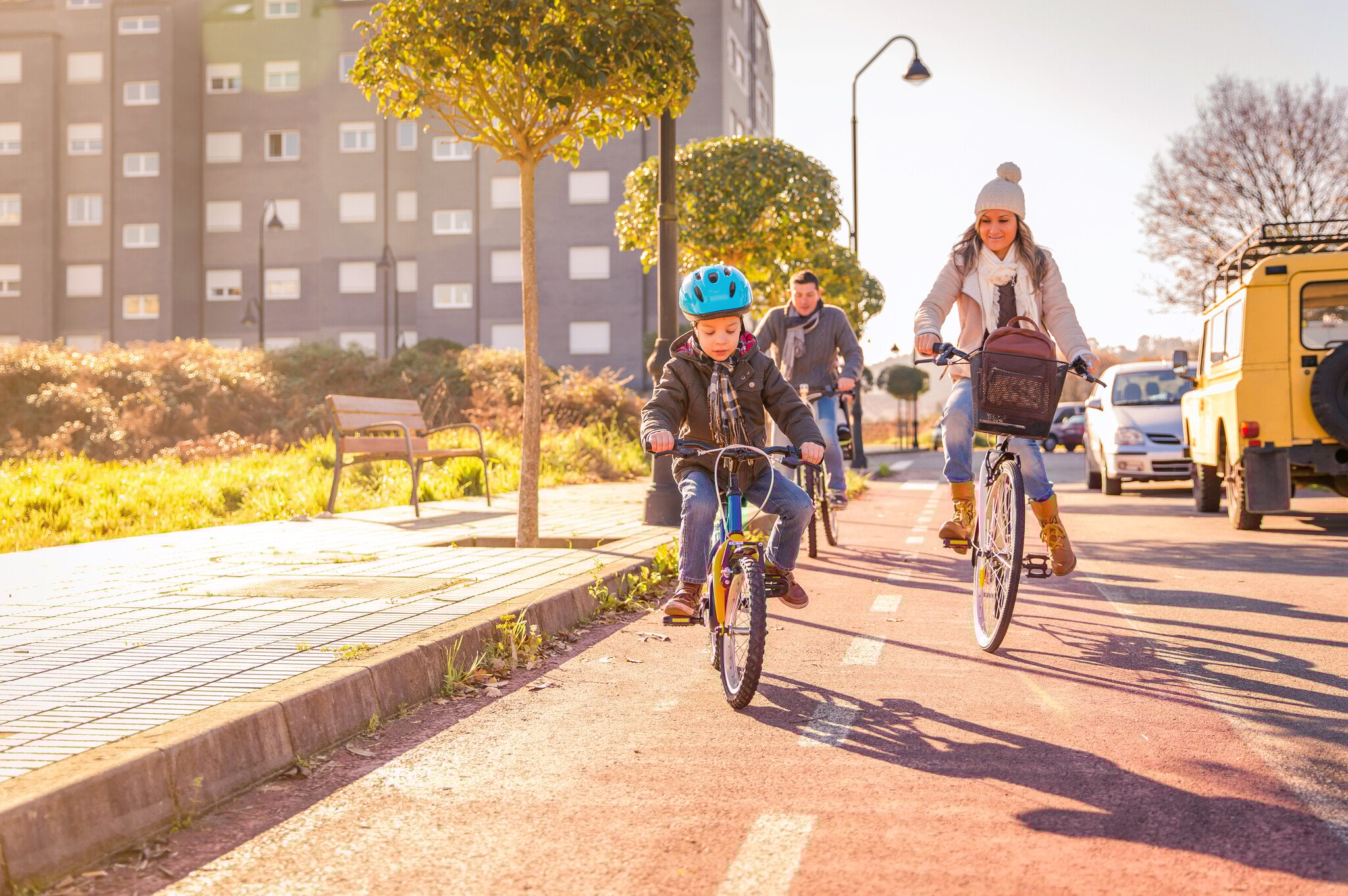
Follow this step-by-step guide to make an informed choice and find the bike that perfectly fits your needs and budget.
The Ultimate Bike Buying Guide: How to Choose Your Perfect Ride
Welcome to the SportsTransaction.com blog! Whether you are looking to get back in shape, adopt an eco-friendly mode of transportation, ride in the snow, or conquer mountain trails, buying a bike is a great investment. But with the multitude of options on the market, how do you find the rare gem?
1. Determine your playing field
The first question to ask yourself is: where will I ride? The type of surface will dictate the category of bike you need.
-
Road Bike: Designed for speed and asphalt. It stands out with its thin tires, lightweight frame, and curved handlebars (drop bar) for an aerodynamic position. Ideal for: sports training and long distances on paved roads.
-
Mountain Bike (MTB): Built for robustness. It has wide, knobby tires, suspension (front only for "hardtails", or front and rear for "full-suspension") and powerful brakes. Ideal for: dirt trails, mud, rocks, and off-piste riding.
-
Fatbike: Equipped with extra-wide tires (usually between 3.8 and 5 inches) inflated to very low pressure to float over obstacles. Ideal for: riding on snow, sand, mud, and extending your biking season to 12 months a year.
-
Hybrid Bike: The perfect compromise. It combines the comfortable, upright position of a mountain bike with intermediate tires that roll well on asphalt as well as on stone dust. Ideal for: urban commuting, bike paths, and family rides.
-
Gravel Bike: Very popular right now, it looks like a road bike but accepts much wider tires. Ideal for: those who want to ride fast on asphalt while being able to branch off onto gravel paths.
-
Electric Assist Bike (e-Bike): Equipped with a motor and a battery, it assists you in pedaling. There are e-bikes for the road, city, mountain, and even electric Fatbikes. Ideal for: covering longer distances, tackling hills without sweating, and commuting to work easily.
2. Find the right size (Crucial!)
A bike that doesn't fit your size will cause pain (back, knees, neck) and decrease your enjoyment. Your inseam is often the most reliable measurement to avoid hitting the frame during a sudden stop.
For adults (Frame Size)
Measure your height and inseam: These are the most important measurements for choosing the frame size. Refer to this average chart: Although each brand has its own specific geometry, this universal chart gives you an excellent starting point:
| Rider Height (Metric) | Rider Height (Imperial) | Inseam (cm / in) | Suggested Frame Size |
| Under 158 cm | Under 5'2" | Under 69 cm / 27" | Extra Small (XS) |
| 158 to 168 cm | 5'2" to 5'6" | 69 to 74 cm / 27" to 29" | Small (S) |
| 168 to 178 cm | 5'6" to 5'10" | 74 to 79 cm / 29" to 31" | Medium (M) |
| 178 to 188 cm | 5'10" to 6'2" | 79 to 86 cm / 31" to 34" | Large (L) |
| Over 188 cm | Over 6'2" | Over 86 cm / 34" | Extra Large (XL or XXL) |
For kids (Wheel Size)
Unlike adults, kids' bike sizes are measured by the wheel diameter (in inches). Do not make the mistake of buying a bike that is too big thinking the child will "grow into it"; a bike that is too heavy or too big can be dangerous and take away your child's desire to ride.
| Approx. Age | Child's Height (cm) | Child's Height (Imperial) | Suggested Wheel Size |
| 2 to 4 years | 85 to 100 cm | 34" to 40" | 12 inches (Balance bike) |
| 3 to 5 years | 95 to 110 cm | 37" to 43" | 14 inches |
| 4 to 6 years | 105 to 120 cm | 41" to 47" | 16 inches |
| 6 to 9 years | 115 to 135 cm | 45" to 53" | 20 inches |
| 8 to 11 years | 130 to 145 cm | 51" to 57" | 24 inches |
| 11+ years | 145 cm and over | 57" and over | 26 inches (or adult XS) |
3. Key components to check
Beyond the frame, the parts (the groupset) dictate the price and performance of the bike.
| Component | What you need to know | Recommendation |
| Brakes |
Disc brakes offer better stopping power in rain or snow than rim brakes.
|
Opt for hydraulic disc brakes for an MTB, Fatbike, or Gravel bike. |
| Gears |
The current trend is the single front chainring (1x drivetrain) for MTBs, Fatbikes, and Gravel bikes.
|
A 1x11 or 1x12 speed system is ideal for mechanical simplicity and easy maintenance. |
| Material | Aluminum (affordable/durable), Carbon Fiber (light/stiff, but expensive), Steel (comfortable/durable, heavier). | Aluminum is the best value choice for the majority of cyclists. |
4. Set your budget (New vs. Used)
Don't forget to include accessories in your budget (helmet, lock, lights, padded shorts, pump). Buying a used bike often allows you to get better components for the same price as an entry-level new bike. At Sports Trans-Action, we offer a wide range of used bikes, complete tune-up included, at a low price.
Ready to find your next ride? Browse our listings on SportsTransaction.com to find the bike of your dreams for you or your kids!
Comments
Be the first to comment...